Why a General Dentist in Bakersfield CA Should Be Part of Your Health Routine
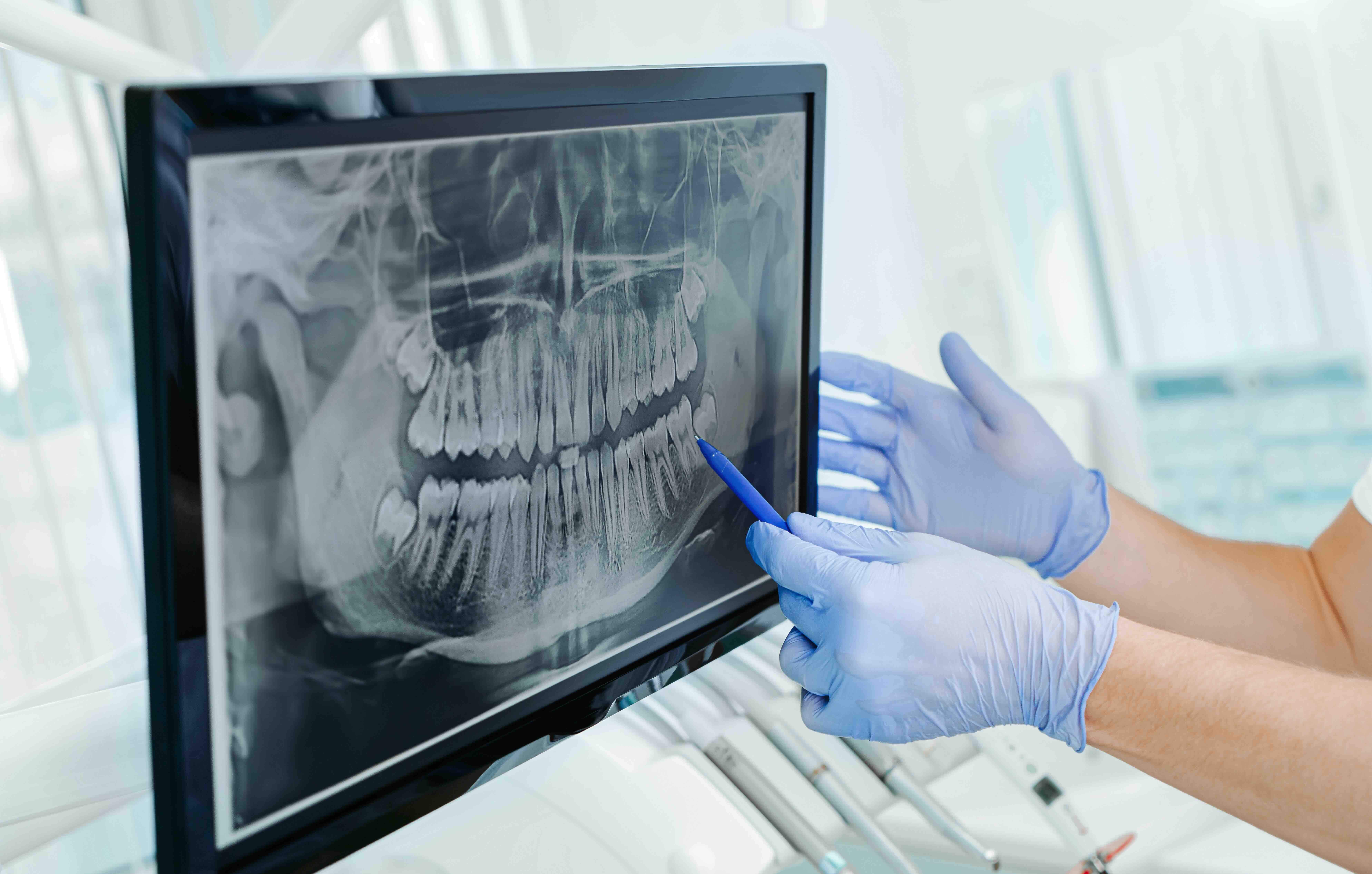
Most people understand that brushing, flossing, and limiting sugar matter. What gets overlooked is the role a dentist plays in the bigger picture of health. Dental care is often treated as separate from medical care, almost like a cosmetic service rather than a clinical one. In practice, that division does not hold up very well. The mouth reflects what is happening in the rest of the body, and small changes there often show up before a person notices anything is wrong elsewhere.
That is one reason a general dentist in Bakersfield CA should not be someone you call only when a filling falls out or a tooth starts throbbing on a Friday night. A good general dentist becomes part of your regular health routine in the same way a primary care doctor or annual physical does. They help prevent disease, catch developing problems early, and monitor signs that can affect far more than your smile.
In a place like Bakersfield, where schedules are busy, outdoor work is common, family calendars are packed, and it is easy to postpone routine appointments, people often wait longer than they should. I have seen the pattern many times. A patient comes in thinking they need a quick fix for one painful tooth, only to learn that months or years of delayed care have turned a simple problem into several expensive and time-consuming ones. Most of that could have been avoided with consistent visits to a General dentist.
Your mouth is not separate from the rest of your body
It sounds obvious, but people still tend to think of dental care as optional maintenance. The reality is more connected. Gum inflammation, chronic infection, bite problems, and untreated decay can affect eating, sleep, speech, concentration, and even how comfortable someone feels in social settings. Those are not minor issues. They influence daily life in practical ways.
A general dentist pays attention to much more than cavities. During a routine exam, they are looking at gum health, wear patterns, signs of grinding, changes in soft tissue, old dental work that may be failing, and clues that point to broader health concerns. Dry mouth, for example, may seem like an inconvenience, but it can be related to medications, dehydration, or systemic conditions. Worn enamel may point to clenching, acid reflux, or frequent acid exposure from diet. Bleeding gums are not normal, even though many people assume they are.
When dental problems linger, they can alter habits in subtle ways. Someone avoids chewing on one side, picks softer foods, stops drinking cold water, or takes over-the-counter pain medicine more often than they mention to anyone. That slow adaptation makes problems feel manageable when they are actually getting worse. Regular appointments interrupt that cycle.
Prevention usually costs less, hurts less, and works better
The strongest argument for routine dental care is not cosmetic. It is practical. Preventive care is almost always easier than corrective care. A small cavity can often be treated quickly. Ignore it long enough, and it may grow into a cracked tooth, root canal, crown, or extraction. Mild gingivitis can often improve with better home care and professional cleanings. Untreated gum disease can progress to bone loss, loose teeth, and long-term maintenance that is far more demanding.
That progression is not dramatic at first. Dental disease tends to General dentist Bakersfield CA be gradual. Early decay rarely announces itself with severe pain. Gum disease can develop with little discomfort. People take the absence of pain as proof that everything is fine, and that is one of the most expensive assumptions they can make.
A routine visit gives your dentist a chance to catch what you cannot see in the mirror. X-rays may show decay between teeth, infection at the root, or bone changes under the gums. A clinical exam may reveal a cracked filling, an early fracture line, or an area that traps food and plaque. These are the kinds of findings that save patients from emergency treatment later.
There is also a time cost that people rarely consider. A preventive cleaning and exam can fit into a relatively short appointment. Advanced treatment often requires multiple visits, more recovery, and more rearranging of work and family responsibilities. People who skip routine care to save time often end up spending much more of it later.
Bakersfield families benefit from continuity of care
One of the biggest strengths of a General dentist is continuity. Seeing the same dental office over time gives the clinician a baseline. They know your history, previous restorations, gum condition, and patterns of wear. They can tell whether something has remained stable or changed. That matters because dentistry is not just about what is visible today. It is about tracking progression.
For children, this continuity helps build trust and keeps dental care from becoming something associated only with fear or pain. For adults, it improves decision-making. A dentist who has followed a cracked molar for several years may know whether it has remained unchanged or whether it is finally reaching the point where treatment makes sense. For older adults, continuity becomes even more valuable as medications, medical conditions, and dry mouth risk start influencing oral health in more complex ways.
Families in Bakersfield often appreciate having one office that can manage routine care across different life stages. A teenager in braces, a parent with a chipped crown, and a grandparent dealing with denture adjustments all benefit from having a familiar provider who understands the family’s habits, scheduling realities, and long-term needs.
Routine dental visits can uncover problems that are easy to miss at home
People tend to look for obvious trouble, usually pain, swelling, or a visible hole in a tooth. A general dentist is trained to notice problems well before they become that obvious. This is one of the most valuable parts of preventive care, and it often goes underappreciated because the patient feels fine.
A thorough routine visit may identify:
- early cavities between teeth or around older fillings
- gum inflammation or early periodontal changes
- signs of clenching, grinding, or bite imbalance
- suspicious soft tissue changes that need monitoring
- broken or leaking dental work before it fails completely
Each of those issues has a common theme. They are more manageable when found early. That is not a slogan, it is simply how treatment tends to work. A suspicious area inside the mouth may turn out to be harmless irritation, but it is still worth checking. A hairline crack may not need immediate treatment, but it should be documented and followed. Good dentistry often involves judgment, not just intervention.
Oral health affects nutrition, comfort, and energy
One of the less discussed reasons to keep a general dentist in your health routine is how strongly oral health affects basic daily function. If chewing is uncomfortable, people change what they eat. Crunchy vegetables, lean proteins, nuts, and high-fiber foods may quietly disappear from the diet because they are hard to manage with sore gums, sensitive teeth, or missing molars. Softer processed foods often take their place. That shift can affect overall nutrition more than people realize.
Sleep is another area where dental issues show up. Night grinding can lead to jaw fatigue, headaches, worn teeth, and facial soreness. Poorly fitting dental work can create bite strain that builds over time. Some patients wake up with neck tension and assume the problem is only stress, when their bite is part of the picture. A General dentist can often spot those clues and recommend practical next steps, whether that means a night guard, bite adjustment, or referral when needed.
Pain also drains energy. It is hard to focus at work, drive comfortably, or stay patient with children when a tooth is constantly reminding you it is there. Many people normalize low-grade discomfort because it seems tolerable compared with severe pain. But living around dental irritation is still living around a problem.
The value of local care in Bakersfield
There is a practical advantage to having a general dentist in Bakersfield CA rather than relying on sporadic care elsewhere. Local care makes follow-up easier. If a crown needs a quick adjustment, a filling feels high, or a child develops sudden sensitivity, it helps to have an office nearby that already knows your history. Dental care works best when it is accessible enough to be consistent.
Bakersfield also has its own rhythms and demands. Long workdays, commuting, school schedules, agriculture, field work, and physically demanding jobs all shape how people approach appointments. A local office that understands those realities is often better equipped to help patients stay on track. Sometimes the difference between regular care and neglect is not motivation. It is convenience, trust, and the ability to get seen without turning a simple checkup into a logistical burden.
Climate can matter too. Dry conditions, frequent hydration with sports drinks or acidic beverages, and habits tied to work environments can all influence oral health. Dentists serving a local population tend to see recurring patterns and can give advice that fits the area rather than generic instructions.
A general dentist helps you make sound decisions, not rushed ones
Many dental choices involve timing and trade-offs. Not every worn filling needs replacement right away. Not every chipped edge becomes an emergency. On the other hand, some situations that appear minor can deteriorate quickly. This is where experience matters. A general dentist does not just diagnose. They help prioritize.
Patients often ask whether they can wait, what is urgent, what can be monitored, and how different treatment options compare. Those are reasonable questions. Good care is not about pushing every possible procedure. It is about balancing risk, cost, longevity, comfort, and the patient’s real circumstances.
Consider an older filling with a small edge fracture. One dentist may recommend replacing it soon because decay risk is increasing. Another may suggest watching it if the margins remain stable and the patient has low cavity risk. Both approaches can be defensible depending on the clinical picture. The value lies in having a clinician who knows your history and can explain why one option makes more sense than another.
That kind of judgment becomes even more important when finances are tight. Many patients cannot do everything at once, and that is a reality, not a personal failing. A trustworthy General dentist helps stage treatment intelligently so the most important issues are handled first while lower-risk concerns are monitored carefully.
Fear and avoidance are common, but they make the cycle worse
A significant number of adults delay dental care because of anxiety, embarrassment, or previous bad experiences. Some feel ashamed that it has been years since their last visit. Others worry they will be judged for the condition of their teeth. Those feelings are more common than people think.
The problem is that avoidance usually increases the chance that when someone finally comes in, they do need more complex treatment. That confirms the fear and deepens it. Breaking that pattern often starts with one routine visit and a dentist who meets the patient without judgment.
In my experience, many nervous patients relax once they realize a modern dental appointment is often far less dramatic than they imagined. Clear explanations help. So does a steady plan. When patients understand what is happening, what can wait, and what can be done to keep them comfortable, they are more likely to return and stay consistent.
If fear has kept you away, the smartest move is often to schedule an exam before pain forces the issue. That gives you more options and more control.
Home care matters, but it cannot replace professional care
People sometimes assume that if they brush well, floss regularly, and use mouthwash, they can safely stretch dental visits for years. Good home care absolutely reduces risk, but it does not replace professional evaluation. Even very diligent patients can develop decay between teeth, gum pockets in hard-to-clean areas, or cracks in heavily restored teeth.
Professional cleanings also address buildup that a toothbrush cannot fully remove. Once plaque hardens into calculus, it needs instruments for removal. Left in place, it can contribute to gum inflammation and deeper periodontal problems. This is not about perfection. It is about recognizing the limits of at-home care.
That said, the daily habits between visits still matter enormously. If you want to get more value from your routine dental care, focus on the basics your dentist is most likely to reinforce:
- brush thoroughly twice a day with fluoride toothpaste
- clean between teeth daily with floss or another recommended aid
- limit frequent snacking and sugary or acidic drinks
- wear a night guard if you grind and have been advised to use one
- keep routine visits even when nothing hurts
Those habits sound simple because they are simple. The challenge is consistency. The patients who maintain healthy mouths over decades are rarely the ones doing anything fancy. They are the ones who stick with reliable basics and follow through on small problems before they become large ones.
Dental care changes through different stages of life
A child’s dental needs are not the same as a working adult’s, and those are not the same as an older adult’s. A general dentist is valuable partly because they understand how oral health evolves over time.
Children need monitoring for tooth eruption, hygiene habits, enamel development, and cavity risk. Teenagers often need guidance around orthodontics, sports mouthguards, and diet. Adults in their thirties and forties may start seeing more consequences from old fillings, grinding, stress, and inconsistent care during busy years. Older adults may deal with dry mouth from medications, gum recession, root decay, worn restorations, and replacement of work that has simply aged out.
This progression is normal. Teeth are durable, but they are not indestructible. The goal is not to avoid every dental procedure forever. The goal is to maintain health, function, and comfort in a way that makes sense for your age, history, and risk level.
That long view is one more reason a general dentist belongs in your health routine. Dentistry is not just a response to emergencies. It is a form of ongoing maintenance with periodic course correction.
The best time to build the habit is before you need rescue care
People often search for a general dentist in Bakersfield CA when they are already in pain. That is understandable, but it is not the ideal moment to begin a dental relationship. When the first visit is an emergency, the focus is necessarily narrow. The immediate problem has to be stabilized first. There is less room for careful planning and more pressure to decide quickly.
When you establish care before a crisis, the entire experience changes. You get baseline exams, routine imaging as needed, and a chance to talk through concerns while things are still manageable. Your dentist learns your priorities. You learn how the office communicates, what scheduling looks like, and how treatment is approached. Then, if something urgent does happen later, you are not starting from zero.
That familiarity has real value. It saves time, reduces stress, and usually leads to better choices.
Health routines work best when they are truly routine
The phrase "health routine" can sound lofty, but in practice it means something ordinary. It means making dental care part of the same pattern as annual physicals, vision checks, prescription refills, exercise, and General dentist Bakersfield CA sensible meals. Nothing dramatic, just regular upkeep.
A General dentist helps you preserve more than teeth. They help protect comfort, function, confidence, and your ability to address problems early while they are still small. They also provide a clinical checkpoint that catches issues you may not feel, see, or understand on your own.
For Bakersfield residents, the case is especially practical. Local access, continuity of care, and an understanding of the community’s pace all make it easier to stay consistent. And consistency is what matters most. Not perfect habits, not flawless teeth, just steady attention before neglect turns into repair.
When dental care is built into your routine, it stops being a crisis service and becomes what it should have been all along, part of staying well.
Smyle Dental Bakersfield
Address: 2016 E St, Bakersfield, CA 93301
Phone number: +16614939040
FAQ About General dentist Bakersfield CA
What does it mean by general dentist?
A general dentist is your primary dental care provider. They act like a family doctor for your mouth. They focus on the overall health of your teeth and gums, providing routine checkups, cleanings, and basic treatments like fillings or crowns for patients of all ages.
What is the difference between a dentistry practitioner and a dentist?
A dentist is a specific licensed doctor who diagnoses and treats teeth and gums, holding a DDS or DMD degree. A "dentistry practitioner" (or dental practitioner) is a broader regulatory term that includes dentists as well as other licensed oral health workers like hygienists and therapists.
When to see a dentist for gum pain?
See a dentist for gum pain if it lasts more than a few days, or right away if you have severe swelling, pus, fever, or bleeding. Mild pain from a scratch can heal on its own, but lasting soreness often points to gum disease, an infection, or an abscess.